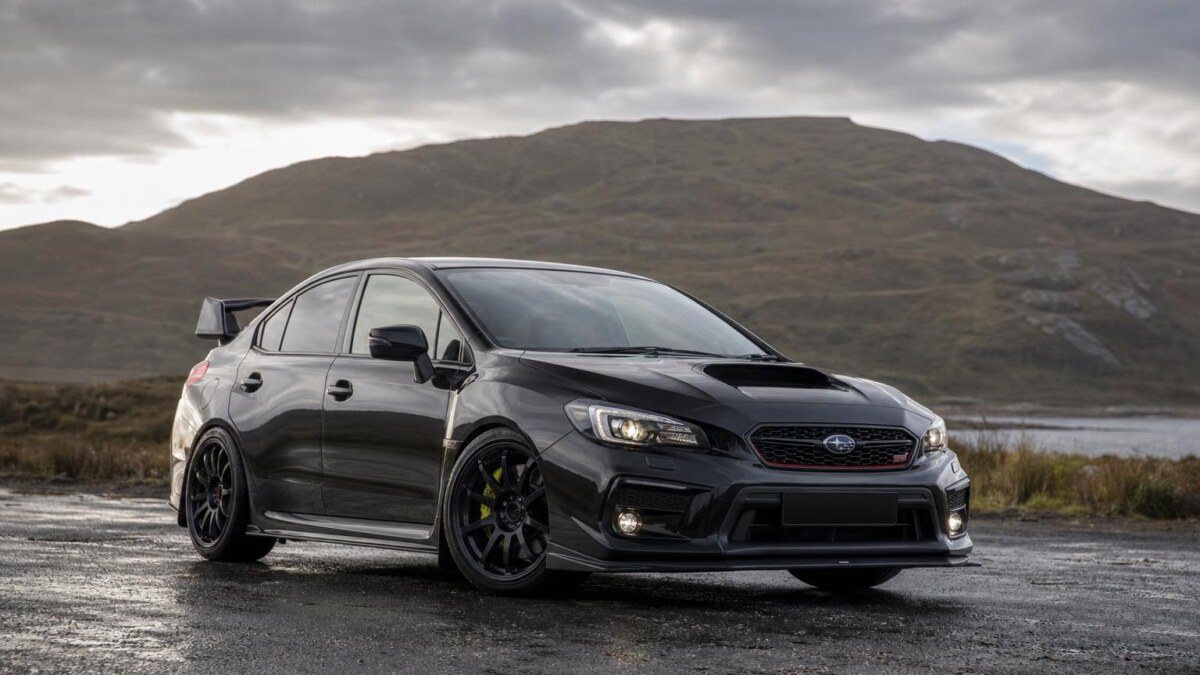
Changing the colour of a car is the biggest visual change you can make short of changing the car. In the UK there are two realistic ways to do it, a vinyl wrap or a full respray, and they suit very different owners. One can be peeled off when you sell. The other is permanent, for better or worse.
Whichever you choose, the paperwork is the same. Here is how the two compare, and what you need to tell the DVLA and your insurer.
Wrap or respray: the short version
- A wrap is a layer of coloured vinyl film applied over the existing paint. It is quicker, usually cheaper than a quality respray, and reversible. It also protects the paint underneath from stone chips and fading.
- A respray replaces the colour for good. Done properly, it is the more durable finish and it can be polished, repaired and touched in like factory paint. Done badly, it is very hard to put right.
The case for a wrap
Most colour changes we see on modified cars are wraps now, and it is easy to see why. A good installer can turn a car around in a few days, and if you get bored of the colour or want to sell, it comes off.
Modern cast vinyl comes in finishes that paint struggles to match on a budget: satin, matt, colour-shift and textured carbon. It also hides small cosmetic marks, although it will not hide dents or rust. Anything under the film shows through, so poor paint needs fixing first.
In British weather, a quality wrap from a good installer typically lasts several years. Horizontal panels such as the bonnet and roof take the most sun and the most bird lime, so they tend to age first. Matt and satin films need gentle care, with no polishes, no waxes and no automatic brush washes.
The catches with wrapping
The finish is only as good as the fitter. Look at their work in daylight, ideally on a car that has been wrapped for a year or more. Check the edges around door shuts, the corners of bumpers and the recesses around badges. Cheap wraps lift at the edges first.
Door shuts and the inside edges of panels are often left in the original colour unless you pay extra. Opening a door to reveal the old paint can look odd, especially on a colour change from silver to a strong green or orange.
Removal is not always as simple as it sounds. On factory paint in good condition, a quality film usually peels off cleanly. On a car with previous bodywork, it can lift lacquer or poorly bonded paint with it. Ask your installer about removal before the film goes on, not after.
The case for a respray
A full respray is the more permanent choice and, on older cars, often the better one. If the paint is tired, flaking or showing rust bubbles, the work has to be done anyway, and the colour change comes with it.
The big variable is how far the painter goes. A colour change done properly means painting door shuts, the inside of the bonnet and boot lid, and often the engine bay. That means stripping trims, glass seals and sometimes glass. It takes time, and the price reflects it. A cheap respray that skips these steps looks fine across a car park and wrong as soon as a door opens.
The shuts are where a respray proves itself. Open every door before you pay.
Dan Whitlock
Resprays also affect value differently from wraps. On some modern classics, a non-original colour can put buyers off. On others, a well-documented respray in a period colour adds appeal. If the car is likely to be an investment, it is worth talking to an owners’ club before choosing.
Telling the DVLA
Colour is one of the details on your V5C registration certificate, the log book, and GOV.UK lists colour among the changes you must update. Write the new colour in the relevant section of the V5C and post it to the DVLA. For a colour change, GOV.UK says to send it to DVLA, Swansea, SA99 1BA. The DVLA will issue a new V5C showing the new colour, and there is no charge.
People often ask whether a wrap counts, since the original paint is still underneath. Our view is simple: if the car now looks a different colour, treat it as a colour change. The police check vehicle descriptions against the record, and a silver car on the V5C that is plainly green on the road invites questions you do not need. Partial wraps, roof wraps, stripes and clear protection film do not change the overall colour, so they are a different case.
Remember to update the V5C again if you remove the wrap and go back to the original colour.
Telling your insurer
Your insurer needs to know too. A colour change can affect how a car is identified after a theft, and insurers class wraps and resprays as modifications. The Financial Ombudsman Service has published cases where insurers refused claims because drivers had not disclosed changes to their car.
Even clear paint protection film can count. Some insurers ask about it, so mention any film on the car when you buy or renew a policy.
Finance and lease cars
If the car is on finance or a lease, read the agreement before changing the colour. Lease cars in particular usually have to be returned in their original condition. A wrap that comes off cleanly is often acceptable, but a respray almost certainly is not, and you could face charges at the end of the contract.
Selling a car that has changed colour
A recorded colour change shows up on vehicle history checks. That is normal and nothing to hide, but buyers will ask about it. Keep the invoice, the installer’s details and photos of the car before and after the work. For a wrap, record the film brand and colour code so a repair can be matched later.
Which should you choose?
- Choose a wrap if the paint is in good order, you want a finish or colour you may change later, or the car is leased or financed.
- Choose a respray if the paint needs work anyway, the car is a long-term keeper, or you want a finish you can polish and repair.
- Either way, update the V5C, tell your insurer and keep every receipt.