Tinted windows are one of the most popular changes people make to a car, and one of the easiest to get wrong. The rules themselves are short. The trouble is that most people do not realise how little film it takes to push the front glass over the limit, because the factory glass is already part of the way there.
This guide covers what UK law allows, how the light figures actually work, and what happens if you are stopped with front windows that are too dark.
The rules in plain English
The law sets a minimum amount of light that must pass through the front glass. It does not ban tint. For vehicles first used on or after 1 April 1985:
- The front windscreen must let at least 75% of light through.
- The front side windows, the ones either side of the driver’s head, must let at least 70% of light through.
For vehicles first used before 1 April 1985, the windscreen and the front side windows must both let at least 70% of light through.
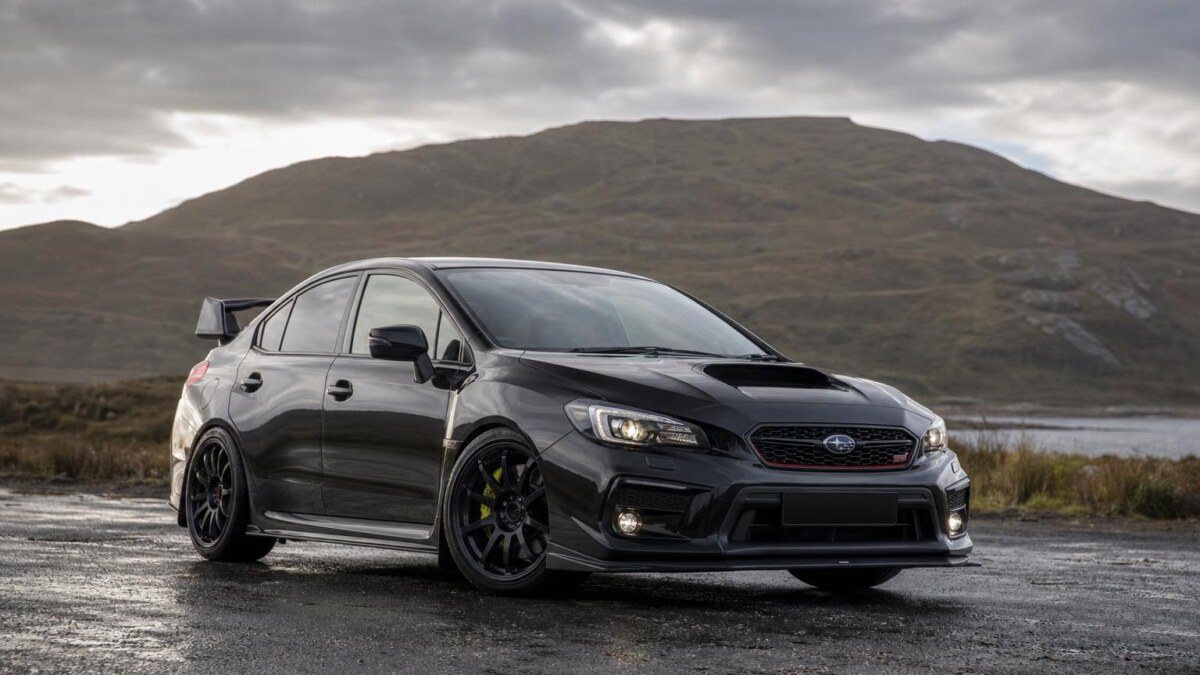
There are no rules for tinting the rear windscreen or the rear passenger windows. You can go as dark as you like behind the B-pillar, which is why so many cars run dark rear glass with clear fronts.
Why “70% film” usually fails
The percentages above apply to the whole window, glass and film together. They are not a rating for the film alone.
Factory glass is not perfectly clear. Most windscreens and side windows already have a light tint built in, and they let through noticeably less than 100% of the light. Film works on top of that, so the two figures multiply rather than add.
A simple example shows the problem. Say a front side window lets through 85% of the light on its own. Add a film rated at 70% and the window now lets through roughly 70% of 85%, which is about 60%. That is well under the legal 70%, even though the film itself sounded legal.
In practice, this means very few films can go on front side windows without breaking the rule. Any installer who offers a “legal tint” for the fronts should be able to measure the glass before and after, and show you the reading.
If an installer cannot show you a meter reading for your front windows, do not let them near the fronts.
Priya Shah
How it is checked
According to GOV.UK, the police and DVSA vehicle examiners use light measuring equipment to check window tint. The meter clamps over the glass and gives a reading in seconds, so there is no arguing about how dark it looks.
Darker front glass is a safety issue as well as a legal one. It makes it harder for you to see pedestrians and cyclists at dusk and in rain, and harder for other road users to make eye contact with you at junctions.
What happens if your fronts are too dark
GOV.UK lists the possible outcomes if the windscreen or front side windows are tinted too much. You could get a penalty notice or a court summons. You can also be given a prohibition notice, which stops you using the car on the road until the extra tint is removed.
It is also illegal to fit or sell glass, or a vehicle already fitted with glass, that breaks the rules. That matters if you are buying a used car with tinted fronts. Check them before you hand over any money, because once the car is yours, so is the problem.
Factory privacy glass
Many cars now leave the factory with darkened rear glass, usually called privacy glass. It is made dark in the glass itself rather than with a film, and it only appears on the rear windows, so it sits within the rules.
If you are matching aftermarket film to factory privacy glass, ask your installer to bring a few shades to compare in daylight. Different films have different tones, from neutral grey to slightly green or bronze, and a mismatch is obvious once the car is parked in the sun.
Choosing film
There are three broad types of film, and the price reflects how they are made.
- Dyed film is the cheapest. It darkens the glass but tends to fade towards purple over time and does little to block heat.
- Metallised film reflects heat well but can interfere with radio, phone and some keyless entry signals.
- Carbon and ceramic films cost more but hold their colour, cut heat without upsetting electronics, and look the most like factory glass.
For a British climate, heat rejection matters less than in hotter countries, but colour stability matters a lot. A film that turns purple after three summers looks worse than no tint at all.
Fitting: DIY or professional
Kits are cheap, and flat rear side windows are manageable for a careful DIYer. Rear screens are another matter. They are curved, they have the heated element printed on them, and a careless blade or scraper can cut through the element and kill the demister.
A good installer will heat-shrink the film to the curve, trim to the edge of the dot matrix, and give a written guarantee against bubbling and peeling. Expect the car to be with them for most of a day, and expect to leave the windows closed for a few days afterwards while the film cures.
Tell your insurer
Insurers generally treat tint as a modification. Some do not change the premium for rear-only tint, but most want to know about it, and the Financial Ombudsman Service has dealt with cases where claims were refused because modifications were not disclosed. Mention it when you take out the policy or as soon as the work is done.
Quick checklist
- Rear windscreen and rear passenger windows: any shade is legal.
- Front side windows: the whole window must let through at least 70% of light.
- Windscreen: at least 75%, or 70% on cars first used before 1 April 1985.
- Remember the factory glass already cuts some light, so most films on the fronts will take you under the limit.
- Ask for meter readings, a written guarantee, and care instructions.
- Tell your insurer before you drive away.